31 Ways to Discover Your Ancestor’s Birth Information
Tracing your family tree can feel like detective work—especially when birth records are elusive. Whether you're a seasoned genealogist or just starting out, knowing where to look is half the battle. Here’s a comprehensive guide to 32 sources that can help you uncover birth information for your ancestors.
GENEALOGY RESEARCH
Laura Newheiser
11/9/20252 min read
Official Records - These are the most direct and reliable sources:
State Birth and Death Indexes: Often searchable online, these indexes list vital statistics.
Birth Certificates: The gold standard for birth data—check state or county archives.
Death Certificates: May include birth date and place, especially for older records.
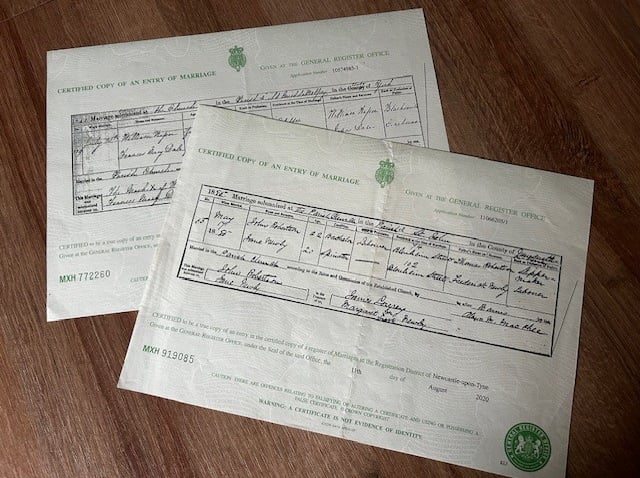
Marriage Certificates: Sometimes list age or birth details of the bride and groom.
Delayed Birth Certificates: Filed later in life, often for legal or pension reasons.
Government and Military Records - These can offer surprising insights:
Naturalization and Citizenship Records: May include birth date and country.
Military Records: Enlistment papers often list birth info.
Pension Records: Veterans’ applications may include birth details.
Draft Registration Records: Especially useful for WWI and WWII ancestors.
Passport Applications: Rich in personal data, including birth information.
Death and Burial Sources - Even in death, clues remain:
Cemetery Records: Gravestones often include birth dates.
Obituaries: Published notices may list birth date and place.
Funeral Home Records: Internal documents can contain vital stats.
Social Security Death Index: A searchable database of deceased individuals.
Social Security Applications: Original applications include birth details.
Religious and Community Records - Faith-based and local sources can be goldmines:
Church Records: Membership rolls and sacramental records.
Baptismal Records: Often include birth date and parents’ names.
Census Records: Age and birthplace can be inferred from multiple censuses.
City Directories: May list age or year of birth.
Newspapers: Birth announcements, profiles, and local news.
Educational and Personal Records
Don’t overlook these everyday sources:
School Records: Enrollment forms often include birth dates.
Yearbooks: Can help estimate birth year based on school grade.
Diaries and Journals: Personal reflections may mention birthdays.
Family Interviews: Oral histories can reveal hidden details.
Online and Adoption Resources - Modern tools and specialized records:
Online Family Trees: Shared by others researching the same lineage.
Online Obituary Resources: Aggregated databases of published obituaries.
Adoption Records: May contain original birth information.
Passenger Arrival Lists: Immigration records often include age and birthplace.
Immigration Records: Ship manifests and border crossings.
Final Thoughts
Genealogy is a journey through time, and birth information is one of the most essential pieces of the puzzle. By exploring these 32 sources, you’ll increase your chances of uncovering the stories behind the names—and maybe even discover a few surprises along the way.