6 Tips for Tracing Your Family Tree Using Wills
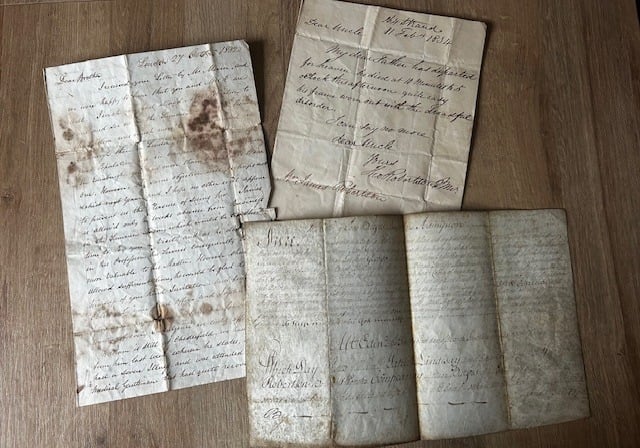
Six essential tips for using wills in family history research:
Laura Newheiser
10/23/20252 min read
1. Use Wills to Confirm What You Already Know
Death certificates can sometimes be vague — names may be shortened, middle initials omitted, or addresses incomplete. A will can confirm the exact identity of your ancestor by providing full names, residential details, and key family connections. This validation can prevent wrong turns and help ensure your research remains on track.
2. Beneficiaries Provide Major Clues
Who inherits the estate? The list of beneficiaries may reveal spouses, children, siblings, in-laws, nieces, nephews, and even more distant relatives. These names can quickly help you map out new branches of the family tree or confirm uncertain relationships — all without relying solely on birth, marriage, and death records.
3. Unlock Married Names of Female Relatives
One of the most common genealogy challenges is tracking women after marriage. Once surnames change, they can seem to vanish from the records altogether. Wills often include a woman’s married name alongside her maiden name — making them a powerful tool for re-discovering female ancestors and continuing your search.
4. Learn About Family Dynamics
Wills don’t just document what someone left behind — they often tell stories too. Personal notes, exclusions, and conditional bequests can offer valuable insights into personalities and relationships. For example, one will discovered by Fraser & Fraser mentioned a man nearly disinheriting his wife because she complained about his health condition that caused him to “break wind” too often — leaving her just a penny! These human touches bring ancestors to life in ways official records rarely do.
5. Understand Historical Living Conditions
In older wills, detailed inventories of possessions were common — everything from clothing to livestock to the contents of a living room. These lists paint a vivid picture of how your ancestors lived, what they valued, and the lifestyle of the time. It’s a fascinating window into everyday history.
6. Burial Requests Can Reveal Hidden Locations
Many wills include specific burial wishes — whether it’s resting beside a spouse, returning to a childhood parish, or being buried in another country entirely. These requests can point your research to new geographic areas, opening doors to fresh records, relatives, and insights into your family’s origins.
Start Your Genealogy Journey with Wills
Whether you’re building your family tree from scratch or trying to break down a brick wall in your research, wills are among the most informative, personal, and revealing documents you can explore. They not only help you trace lineage but also allow you to connect with the lives, personalities, and stories of those who came before you.