Dore, Sheffield: Ancient Gateway Between Mercia, Northumbria and the Viking Age
Discover the ancient history of Dore, Sheffield a key Anglo-Saxon border village between Mercia and Northumbria, and its powerful links to Viking invasions and early English unity.
HISTORY
Laura Newheiser
2/17/20263 min read
A Historic Village at the Heart of Ancient England
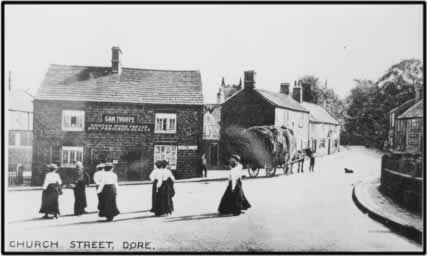
Dore, now a peaceful and affluent suburb of Sheffield, holds a surprising place in early English history. Long before modern Sheffield existed, Dore stood at a strategic frontier between two of the most powerful Anglo-Saxon kingdoms: Mercia and Northumbria. This borderland status placed the village at the centre of political power struggles, royal diplomacy, and the Viking invasions.
Today, Dore is known for its green spaces, heritage architecture, and village atmosphere — but beneath its calm surface lies a story of kings, conquest, and the making of England itself.
Dore’s Strategic Position Between Mercia and Northumbria
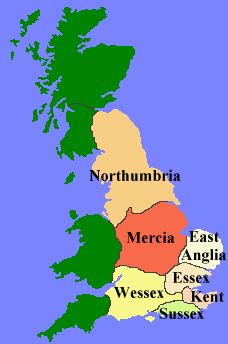
In the early medieval period, England was divided into rival kingdoms rather than a single nation. Mercia dominated the Midlands and central England, while Northumbria controlled much of northern England and southern Scotland. Dore lay directly on the boundary between these two powers.
The natural landscape formed a political border, with local streams and brooks acting as frontier markers. This made Dore not just a settlement, but a political gateway, a place of transition between kingdoms, cultures, and influence.
Even the name "Dore" is believed to come from an Old English root meaning "door" or "gateway", symbolising its historic role as a threshold between realms.
The Historic Meeting of Kings at Dore (AD 829)
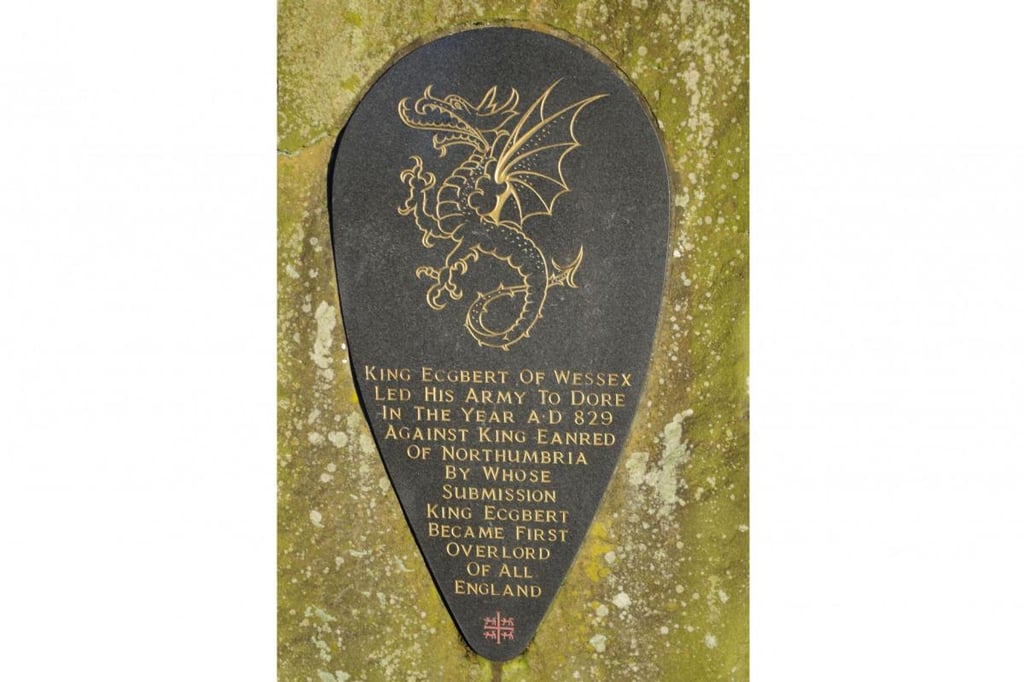
One of the most significant events in early English history took place in Dore in AD 829. King Ecgbert of Wessex marched north with his army and met King Eanred of Northumbria at Dore. Unable to fight both Viking forces and Wessex, King Eanred submitted to Ecgbert’s authority.
This event was historically transformative as It marked one of the first recorded submissions of a northern kingdom to a southern ruler and symbolised the earliest real movement toward a unified England
Viking Invasions and the Collapse of Northern Power
The Viking invasions of England reshaped the political map of Britain. From the mid-9th century onward, large Scandinavian armies invaded and settled across eastern and northern England.
Northumbria was especially vulnerable leading to the following events:
York fell to Viking forces in AD 866
Northumbrian kings lost control of key trade routes
Viking settlement created the Danelaw
These invasions destabilised the entire north of England, weakening Northumbria’s authority and making it increasingly dependent on diplomacy rather than military strength.
This Viking pressure directly influenced the meeting at Dore. With Norse armies threatening the north and east, Northumbria could not afford conflict on its southern frontier
Mercia, Power Shifts and the Changing Map of England
Mercia, once the dominant power in England, was also destabilised by Viking invasions. Danish armies pushed into Mercian territory, weakening its control and fragmenting its authority.
This created a power vacuum in central England and allowed Wessex to rise as the dominant kingdom. The meeting at Dore symbolised this shift:
Mercian decline
Northumbrian weakness
Wessex expansion
Dore stood physically and symbolically at the centre of this transformation.
From Ancient Borderland to Modern Sheffield Suburb
Over centuries, Dore transitioned from a royal frontier village to a rural settlement and eventually into part of modern Sheffield. Yet its identity remains deeply rooted in its ancient past.
Today, visitors can still see physical reminders of its history:
The village green monument commemorating the royal meeting
Ancient parish boundaries
Historic pathways and settlement patterns
Dore’s transformation reflects the broader story of England itself — from fragmented kingdoms to a unified nation, and from ancient borders to modern cities.
In many ways, Dore is not just part of Sheffield’s history — it is part of England’s origin story.