Fir Vale Workhouse (1878–1906): The Origins of Sheffield’s Northern General Hospital
Before it became one of the largest teaching hospitals in the north of England, the Northern General Hospital began life as something very different — a Victorian workhouse infirmary, built not as a place of healing, but as part of a system of poverty control, social discipline, and welfare regulation.
HISTORY
Laura Newheiser
2/10/20264 min read
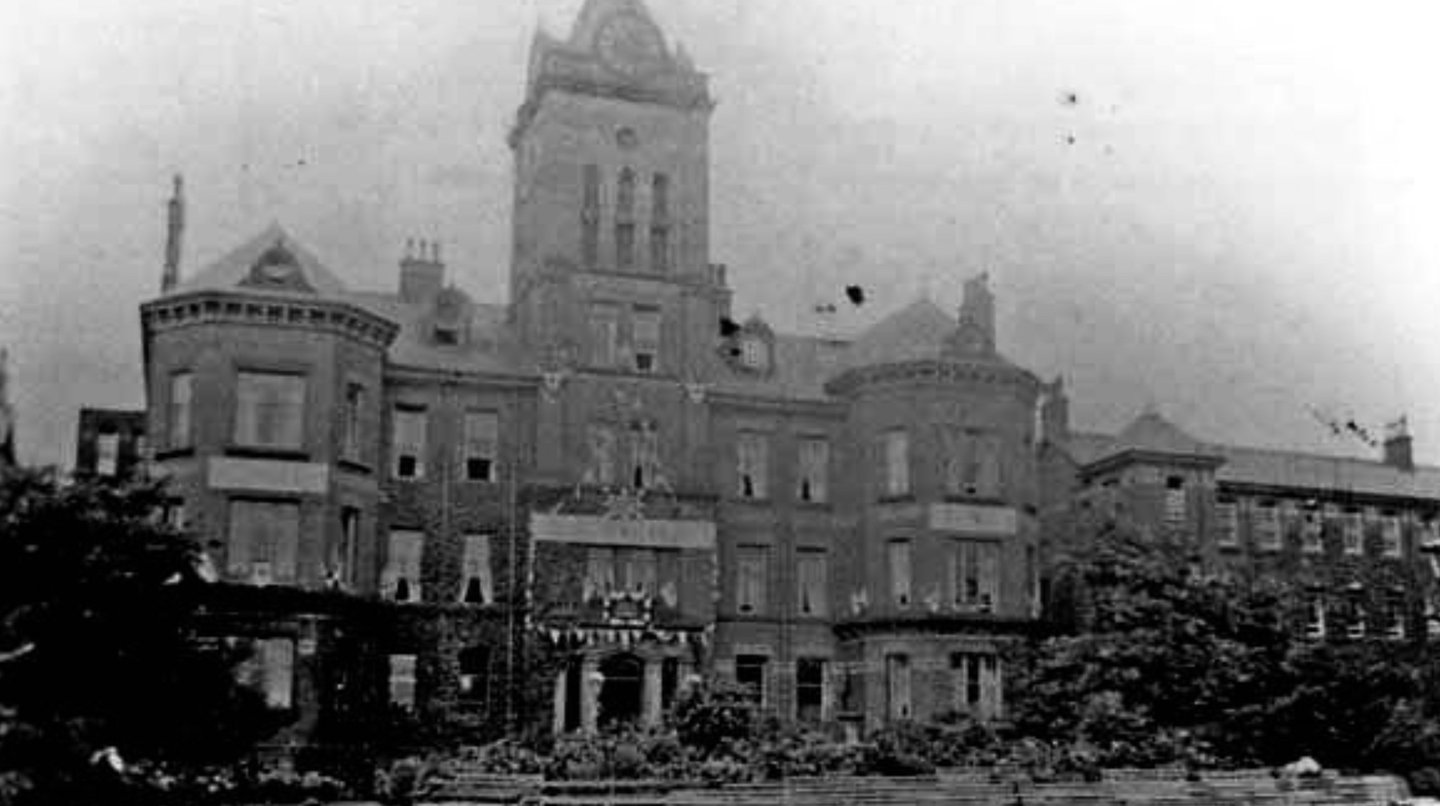
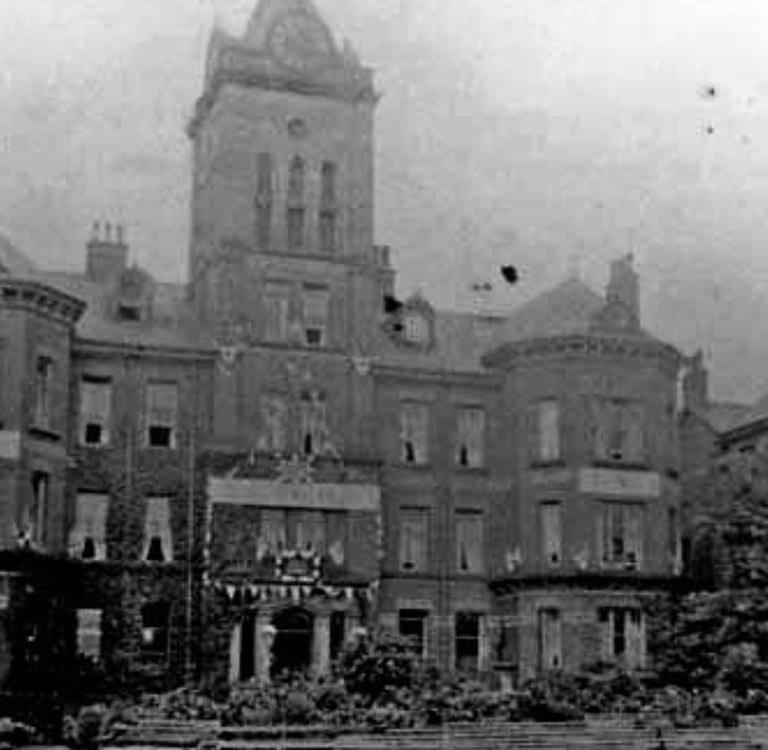
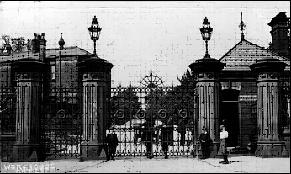
The Fir Vale Workhouse, foundations were laid in 1878 and officially opened in 1881, it stands as a powerful symbol of how Victorian Britain dealt with poverty, illness, and social responsibility.
The Social Crisis Behind Its Creation
By the mid-19th century, Sheffield was expanding at a rapid speed. Industrialisation had transformed the city into a centre of steel and cutlery manufacturing, drawing thousands of workers from rural areas. With such rapid growth came overcrowding, disease, industrial injuries, unemployment, and deep poverty, the existing poor relief system could no longer cope.
Under the new Poor Law system, people unable to support themselves — the sick, elderly, disabled, unemployed, and orphaned — were sent to workhouses. These institutions were deliberately harsh by design. The ideology of the time believed that life inside a workhouse should be worse than the lowest-paid labour, so that only the truly desperate would seek help.
By the 1870s, Sheffield’s existing workhouse facilities were completely inadequate. The Sheffield Poor Law Union approved the construction of a new, large-scale workhouse complex at Fir Vale, on land north of the city centre — away from wealthy districts, but accessible enough to serve the growing population.
Construction and Design (1878–1881)
This was not a single building, but a self-contained institutional complex, designed to function like a closed world where there was:
Residential blocks for paupers
An infirmary
Isolation wards
Fever hospitals
Asylum wards
Children’s homes
Administrative buildings
Kitchens, laundries, and workshops
Exercise yards
Mortuary facilities
The infirmary alone had space for 366 patients, making it one of the largest medical facilities in the region at the time.
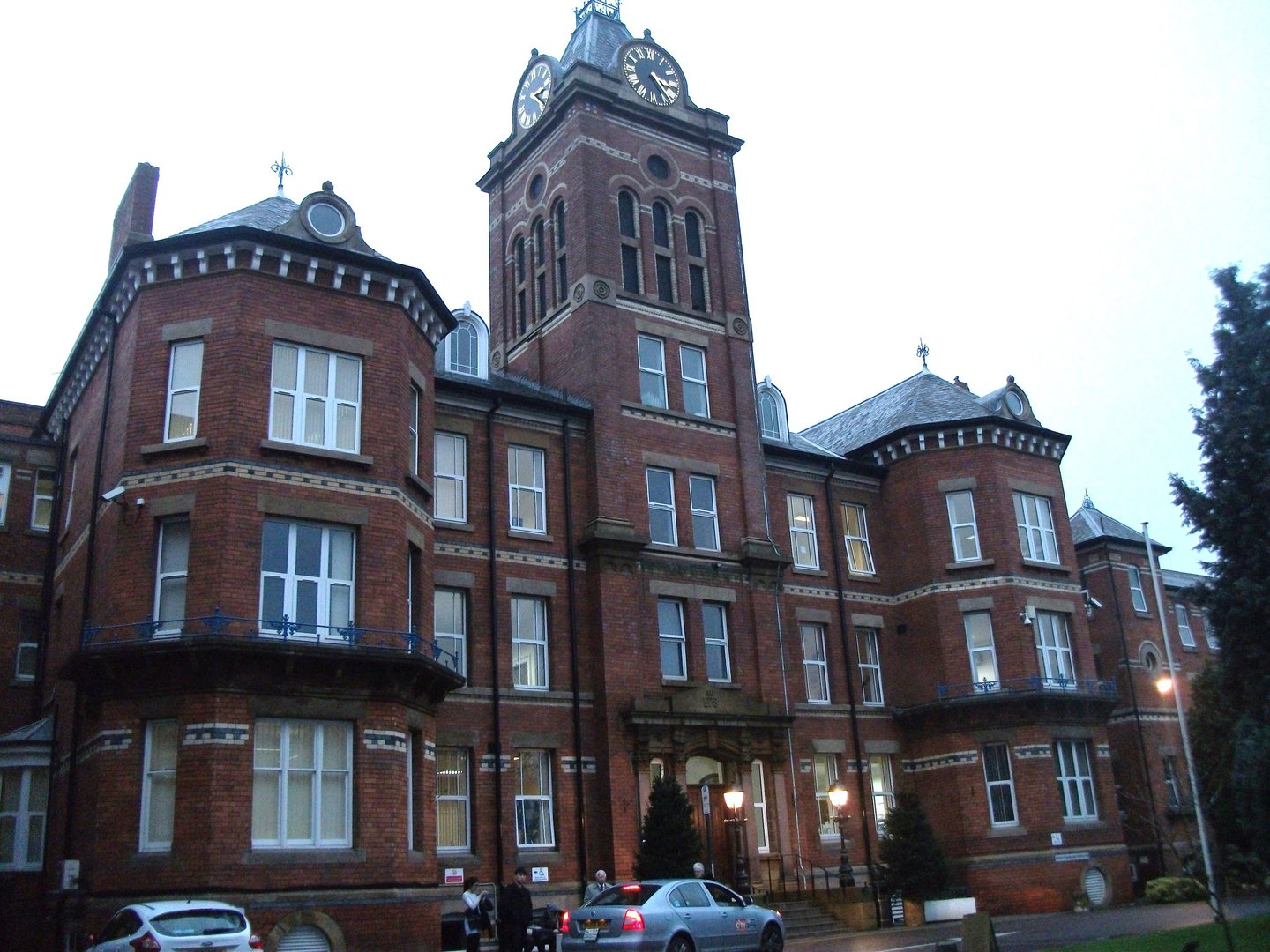
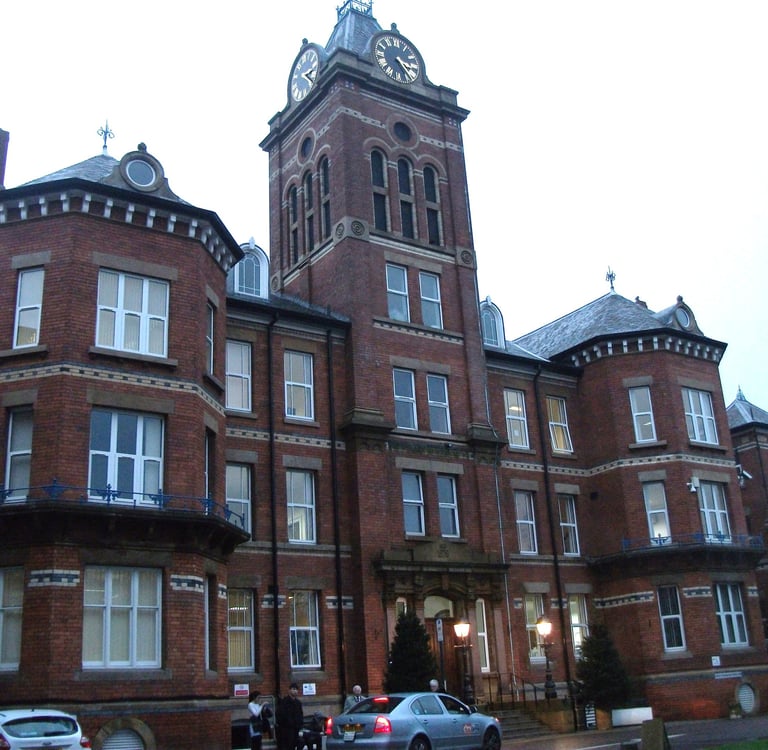
The architecture followed a typical Victorian institutional style of long stone corridors, tall narrow windows and segregated wards for the physical separation of men, women, children and the mentally ill.
The layout was not just practical — it was ideological. It was designed to enforce order, hierarchy, discipline, and separation of social classes.
Who Lived There?
Fir Vale Workhouse housed a wide range of people, including:
The elderly poor
People with chronic illnesses
The disabled
The mentally ill
Single mothers
Orphans and abandoned children
Injured industrial workers
The unemployed and homeless
All of whom were victims of industrial accidents, disease, poverty, and social inequality.
Mental Health & Isolation
Fir Vale also contained asylum wards, reflecting Victorian attitudes toward mental illness. Mental health was not treated as a medical condition it was seen as something requiring containment and control. These patients were isolated and separated from the other inmates often from very long periods of time. This system blurred the line between care, custody, and imprisonment.
Children in the Workhouse
Children were among the most tragic residents. These were often children that had been orphaned or abandoned often due to the deep poverty in the Victorian period. They lived in dedicated children’s wards and institutions, educated separately, trained for manual labour, and raised within institutional culture — often never experiencing normal family life.
Medical Evolution (1880s–1890s)
By the 1890s, Fir Vale’s infirmary had expanded medical functions, including:
Specialised wards (including for women with venereal diseases)
Improved nursing structures
Better sanitation systems
Increased professional staffing
This reflects a national shift: workhouse infirmaries across England were slowly evolving into municipal hospitals, driven by medical reform, public health awareness, and social pressure.
The End of the Workhouse Era (1906)
By the early 20th century, attitudes toward poverty and welfare were changing. The workhouse system was increasingly criticised as inhumane and outdated.
In 1906, a major transformation occurred the infirmary block was separated administratively this became the Sheffield Union Hospital and the remaining complex became known as Fir Vale Institution This separation marked the end of Fir Vale as a unified workhouse system.
However
Without Fir Vale Workhouse, Northern General Hospital would not exist. Its wards, corridors, and foundations are literally built on the structures of Victorian social history.
What began as a place of discipline and deprivation slowly evolved into a centre of healing and medical innovation — mirroring Britain’s wider journey from Poor Law welfare to universal healthcare, and i am proud to call this my workplace!
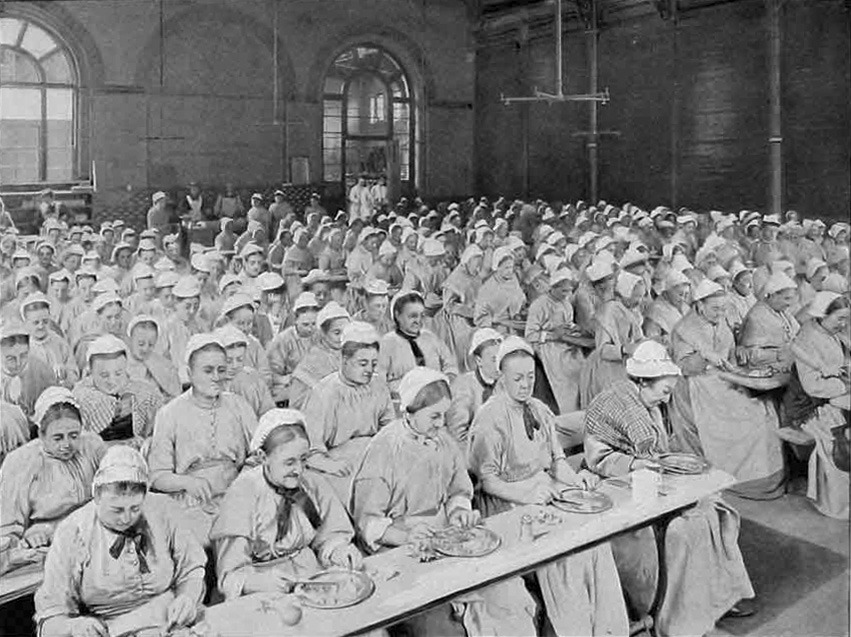
For many residents, entry into the workhouse meant loss of freedom, identity and control of their daily life, often being separated from their family and loved ones.
Once inside, residents were classified and segregated:
Men and women lived separately
Children were removed from parents
The sick were isolated
The mentally ill were confined
The elderly were grouped together
The Infirmary: Birth of Medical Care at Fir Vale
Although workhouses were not designed as hospitals, Fir Vale’s infirmary became one of its most important components. The Victorians were beginning to recognise that poverty and illness were linked, and that medical treatment was necessary, not just containment.
The new hospitals had large open wards, basic sanitation system and isolation facilities. Signaling the growing understanding of the treatment and prevention of the spread of disease. In the 1880s Fir Vale developed a training school for nurses and midwifery starting to build the very basis of the health care system.
This is historically significant and marks the early transformation from punitive welfare institutions into proto-medical institutions, where structured healthcare began to emerge.
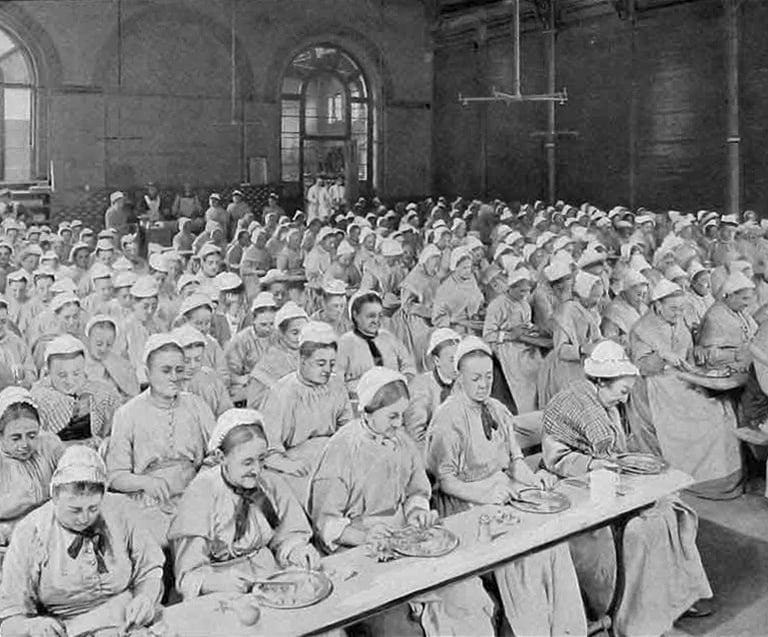
Unknown, circa 1911 Dinner time in St Pancras Workhouse, London
Photo: Sheffield Indexers