The History of Sheffield Castle
Sheffield Castle is one of the most important—yet often overlooked—pieces of the city’s history. Though little remains visible today, it once stood at the very heart of Sheffield and played a key role in shaping the city’s early development.
HISTORY
Laura Newheiser
3/24/20262 min read
Origins and Early Construction
The first castle on the site has recently been confirmed as being built shortly after the Norman Conquest, around the late 11th or early 12th century. This original structure was a motte-and-bailey castle, constructed from timber and earth, a common defensive design used by the Normans to establish control over newly conquered land.
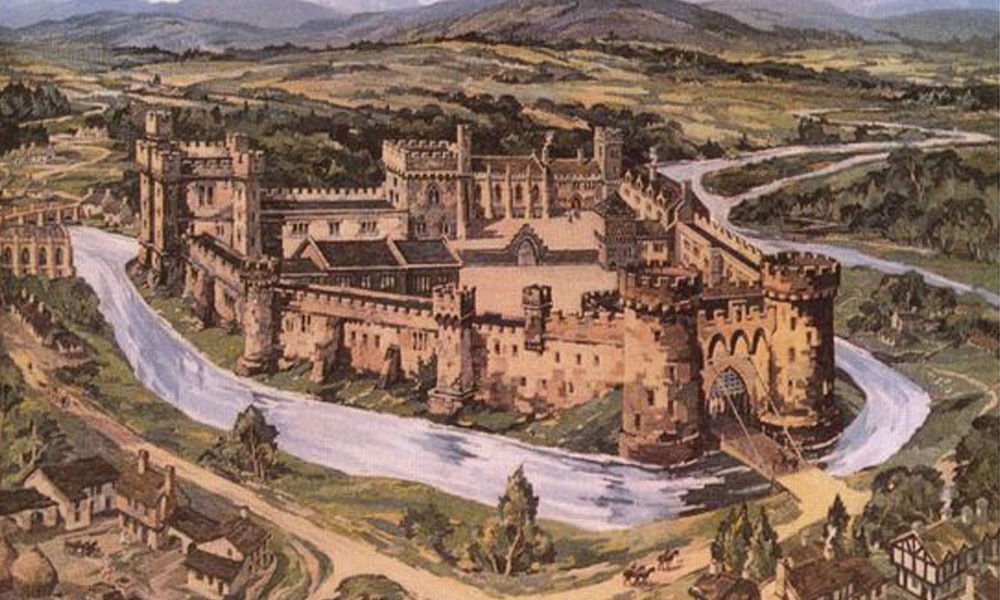
It was strategically positioned at the confluence of the River Sheaf and the River Don, allowing control over local trade routes and providing natural defenses.
Stone Castle and Medieval Importance
By the 13th century, the original wooden structure had been replaced with a more durable stone castle. This version became the seat of the powerful de Furnival family, and later passed through marriage to the Talbot family, the Earls of Shrewsbury.
Under their control, the castle grew in size and importance. It became not only a military stronghold but also an administrative and residential center, effectively making it the focal point of medieval Sheffield.
Mary, Queen of Scots
Mary, Queen of Scots was imprisoned in Sheffield under the care of George Talbot, 6th Earl of Shrewsbury, for nearly 14 years between 1570 and 1584, primarily residing at Sheffield Castle and the nearby Sheffield Manor Lodge. Considered a threat to Queen Elizabeth I, she lived in restrictive conditions, causing her health to decline from rheumatism
In February 1571, a plot was organized for Mary to escape from her apartments at the Sheffield Manor Lodge by jumping from a window and meeting supporters in the nearby park. This failed when security was tightened.
Mary was not in a "dark cell" but lived in a pampered, though restricted, state with a large retinue of 41 people, allowing her to write letters to arrange support
Although not kept exclusively within the castle walls, her presence brought national significance to Sheffield and tied the castle to one of the most dramatic political stories in British history.
The English Civil War and Destruction
Sheffield Castle met its end during the English Civil War. Initially held by Royalist forces, it was besieged and captured by Parliamentarian troops in 1644. Following its capture, Parliament ordered the castle to be demolished (slighted) to prevent it from being used again. By 1648, much of the structure had been dismantled, leaving only ruins.
Disappearance Beneath the City
Over the following centuries, the remains of Sheffield Castle were gradually buried beneath urban development. Markets, roads, and later commercial buildings were constructed over the site, effectively erasing the castle from the visible landscape.
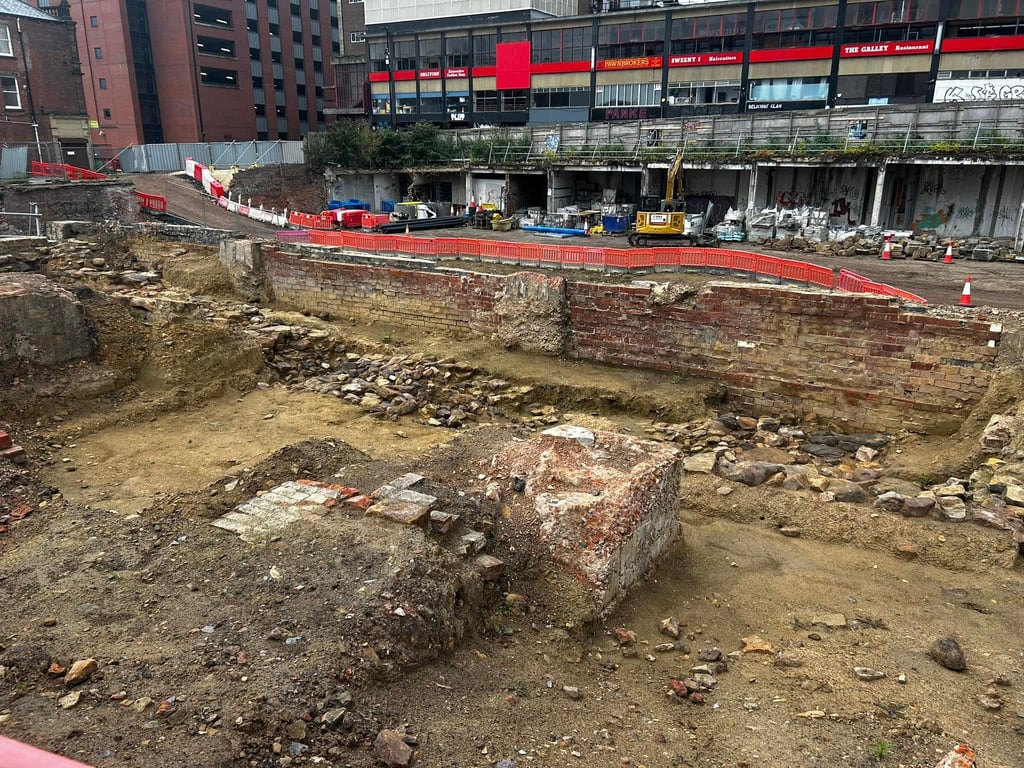
However, archaeological excavations by Wessex Archeology in partnership with Friends of Sheffield Castle in the 20th and 21st centuries uncovered foundations, walls, and artifacts, confirming the scale and significance of the original structure.
Sheffield Castle Today
Today, the site lies beneath what is now Castle Market and the surrounding redevelopment area in Sheffield city centre. While the castle is no longer standing, there have been ongoing efforts to highlight and preserve its legacy.
Recent regeneration projects aim to make the remains more accessible and visible to the public, reconnecting Sheffield with this crucial part of its past.
Why It Matters
Sheffield Castle is more than just a lost building—it represents the birthplace of the city itself. From Norman conquest to royal imprisonment and civil war destruction, its story mirrors the broader history of England.
Even in ruins, it remains a powerful symbol of Sheffield’s origins and enduring identity.
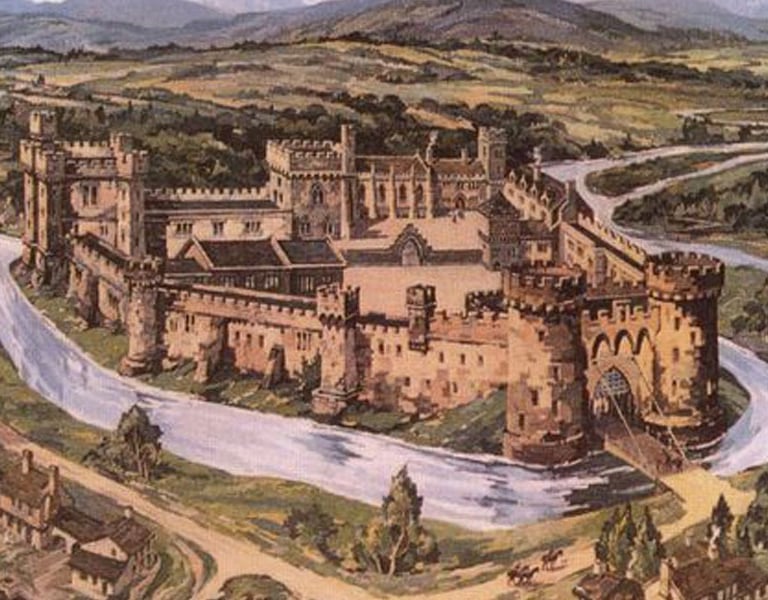
A drawing of Sheffield Castle by Kenneth Steel (1950)