The Robertson Ancestral Line — A Story Through Time
The story of the Robertson family begins in the shadowy corners of history, in the bustling streets of Edinburgh and the docks of Leith in the late 1600s.
HISTORY
Laura Newheiser
4/26/20264 min read
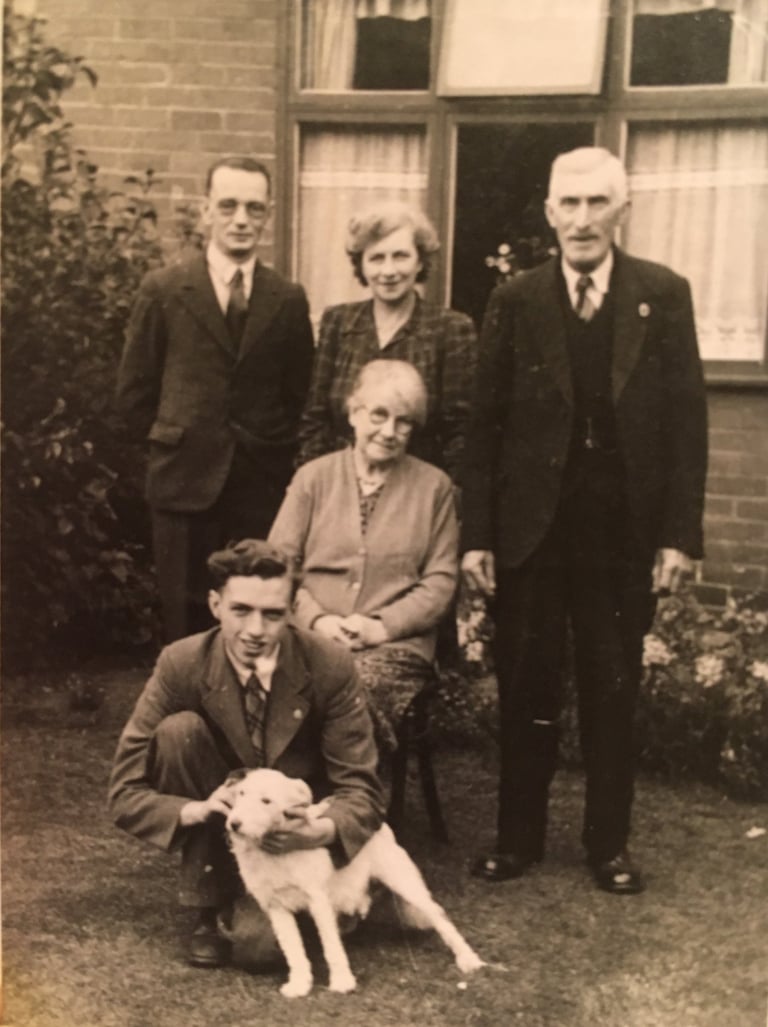
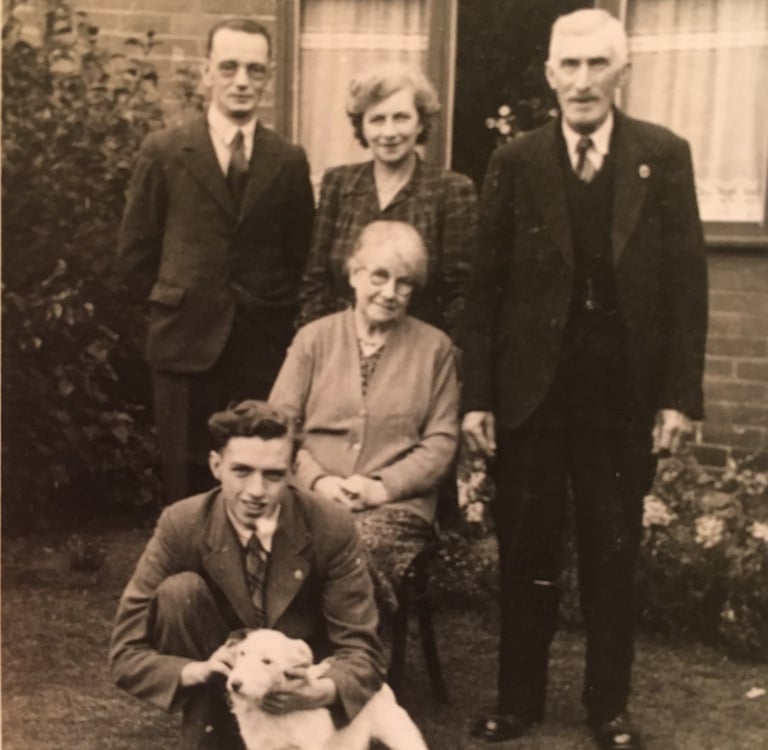
There’s something powerful about tracing where you come from. Not just names and dates, but the lives behind them—the risks taken, the losses endured, and the quiet determination that carries a family forward.
As I’ve explored the Robertson line, what stands out isn’t a single defining moment, but a thread that runs through generations: resilience.
A Risk at the Very Beginning
The story begins in the late 1600s with John Robertson. There’s very little recorded about his life, but one detail speaks volumes. He invested in the Darien Settlement—Scotland’s ambitious attempt to establish a colony in Panama.
It was a bold move, and like many others, he likely lost most of what he had. It’s strange to think that the Robertson story, at least as far as we can trace it, begins not with success, but with risk—and loss.
And yet, the family continued.
Building a Trade in Edinburgh
By the early 1700s, the family had settled into a very different rhythm. Thomas Robertson, likely John’s son, was apprenticed as a wig maker in Edinburgh. It’s easy to picture the scene—long hours, careful work, and a skill learned piece by piece.
He married into the same household he trained in, and together they raised six children. Life wasn’t glamorous, but it was stable. A trade meant security, and that trade became a pattern repeated through the next generations.
His son, and then his grandson—both also named Thomas—followed the same path. Wig making might seem like a small detail now, but at the time it was a respected craft. It provided not just income, but identity.
Passing Skills Down the Line
By the late 1700s, another Thomas Robertson was not just practicing the trade, but teaching it. Taking on an apprentice of his own, he became part of a cycle that had shaped the family for decades.
There’s something grounding in that—generation after generation, learning, working, and passing knowledge on. No dramatic changes, just steady continuity.
Adapting to a Changing World
That continuity didn’t last forever. By the time James Robertson was born in 1789, the world was shifting. Wigs were going out of fashion, and the family had to adapt.
James became a hairdresser and perfumer, opening his own shop in Edinburgh. It feels like a small step forward—his own business, his own name above the door.
But life wasn’t straightforward. He was assaulted and robbed in his shop, and later faced threats because of his voting choices. These little glimpses remind us that history isn’t just made up of big events—it’s shaped by everyday struggles too.
Still, he carried on, raising a family and building a life.
Loss and Starting Again
One of the most striking parts of this family story comes with Thomas Robertson, born around 1825. He moved from Edinburgh to Newcastle, possibly in search of better opportunities. He married, had children, and for a moment, everything seemed to settle. Then, within a matter of days in 1852, he lost his wife and young daughter. Soon after, his infant son also died.
It’s hard to imagine that kind of loss. And yet, he did what many before him had done—he carried on.
He remarried, raised another family, and continued working as a shoemaker. Life didn’t become easier, but it moved forward.
Making Do and Getting By
By the time we reach John Robertson in the late 1800s, the story becomes more familiar in a different way. This is a working family, adapting to whatever life requires.
John worked in leather, then later as a launderer. The family lived in small, crowded homes—at one point, six people sharing just two rooms.
There’s no sense of grandeur here, but there is something just as important: persistence.
This is the kind of history many families share, even if it often goes unrecorded.
Taking to the Sea
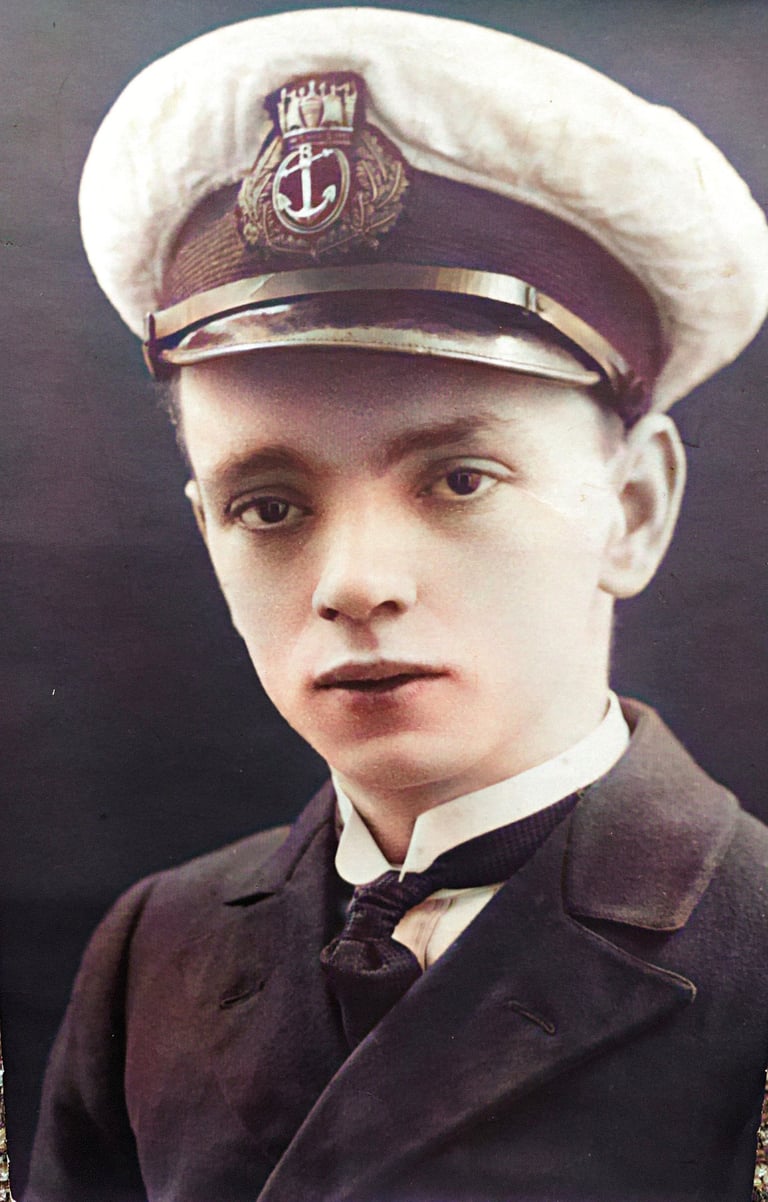
With William Robertson, born in 1901, the story takes a different turn. Instead of workshops and city
streets, his life played out across oceans.
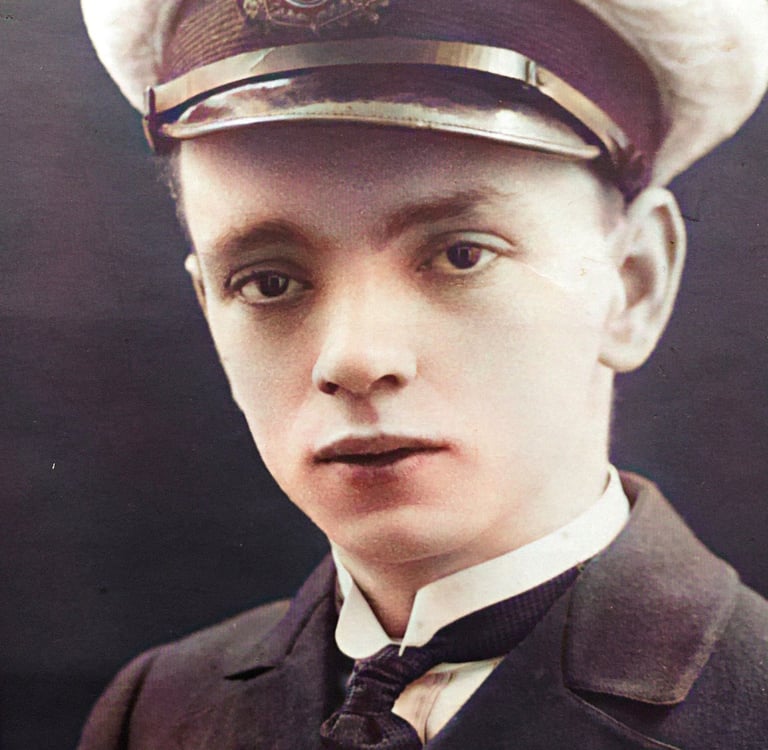
As a wireless operator in the merchant navy, he travelled widely. One moment that stands out is
when his ship ran aground off the coast of France in 1926. The distress signal sent that day may well have
been his.
It’s a reminder of how much the world had changed—from wig makers in Edinburgh to radio signals crossing the sea.
Later, he worked for the Air Ministry in Scotland, continuing that connection to communication and technology.
A Modern Chapter
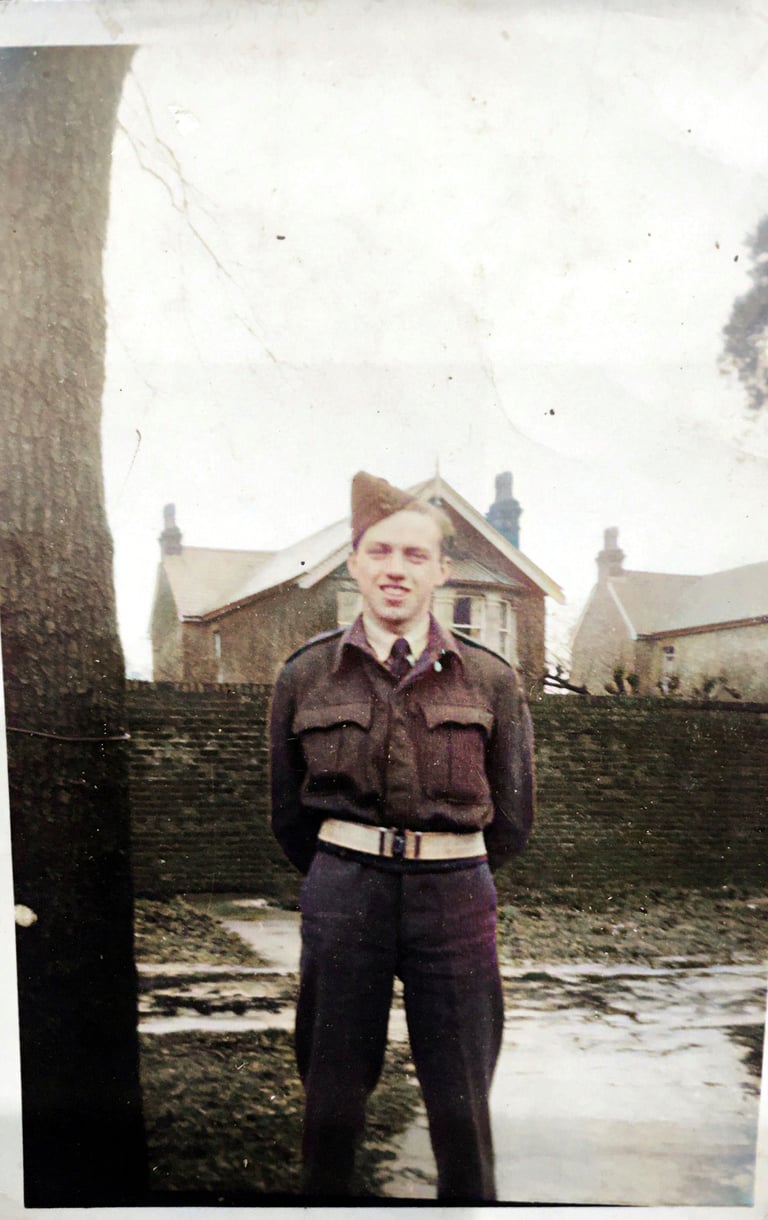
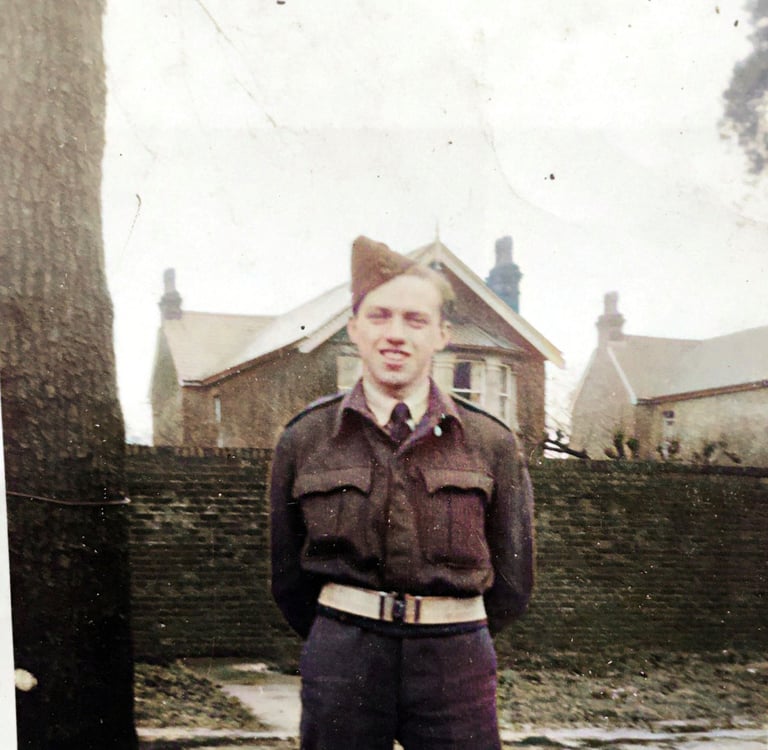
The next generation, William Robertson born in 1927, reflects yet another shift. After the war, he joined the RAF
and trained as an engineer.
It’s interesting how the thread continues—not the same trade, but the same idea of skill and hands-on work.
From wigs to leather, from ships to aircraft, each generation found its place in a changing world.
He went on to build a life, raise a family, and carry the Robertson name into the present day.
Why This Story Matters
Looking back over these generations, there’s no single defining achievement. No grand title or moment that stands above the rest.
Instead, there’s something quieter but just as meaningful.
A family that adapted.
A family that endured loss.
A family that kept going.
That’s what makes this an orchard. Each generation grows from the one before it—sometimes shaped by hardship, sometimes by opportunity, but always connected.
And the story isn’t finished yet.